
Since our first newsletter, the New Central Maui School project has continued to move forward through collaboration, shared learning, and ongoing community engagement. Educators, cultural practitioners, designers, agency partners, and community members continue to help inform the work as the project advances. Together, these efforts are shaping a school that reflects the values of Hawaiʻi while supporting the success of future generations.
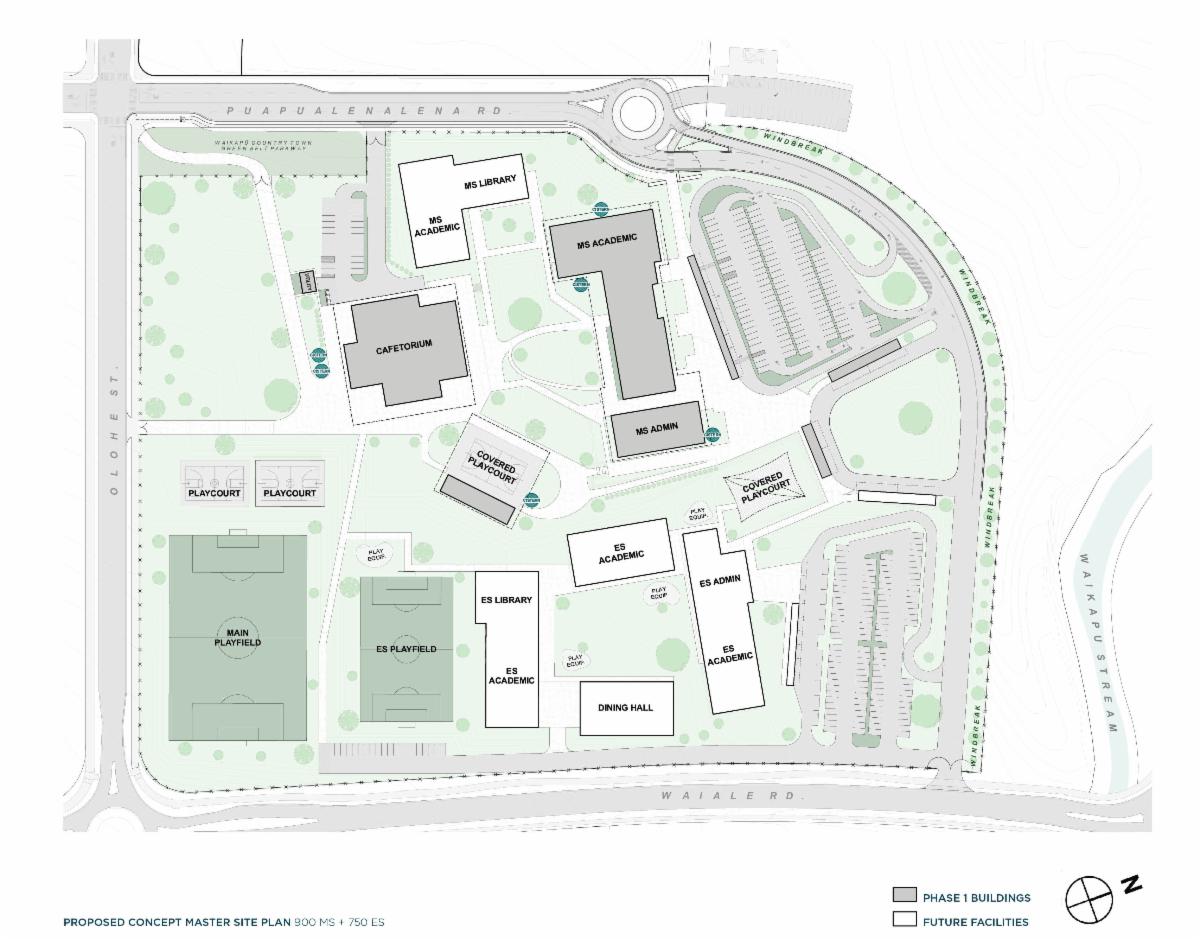
Earlier this year, the project transitioned from planning into schematic design. During the planning phase, the team established the core parameters for Phase I of the middle school, including target capacity, schedule, budget, and space program. At the same time, site opportunities and constraints were evaluated to inform how the campus could best respond to site access, Maui's climate and natural systems, and the organization of learning, outdoor, and support spaces.
A series of focus group sessions with educators and staff helped deepen the team's understanding of instructional practices, administrative needs, specialized student supports, and the infrastructure required to support multiple teaching modalities. As schematic design progresses, these planning efforts continue to guide the refinement of the campus layout, building systems, and architectural character, helping ensure the design reflects both community priorities and the day-to-day needs of students, teachers, and administrators.
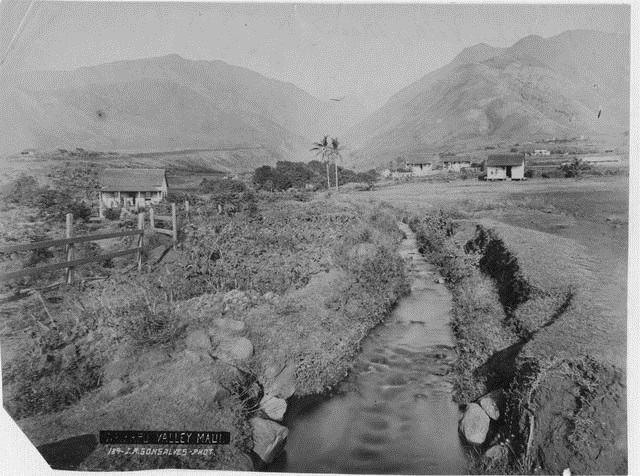
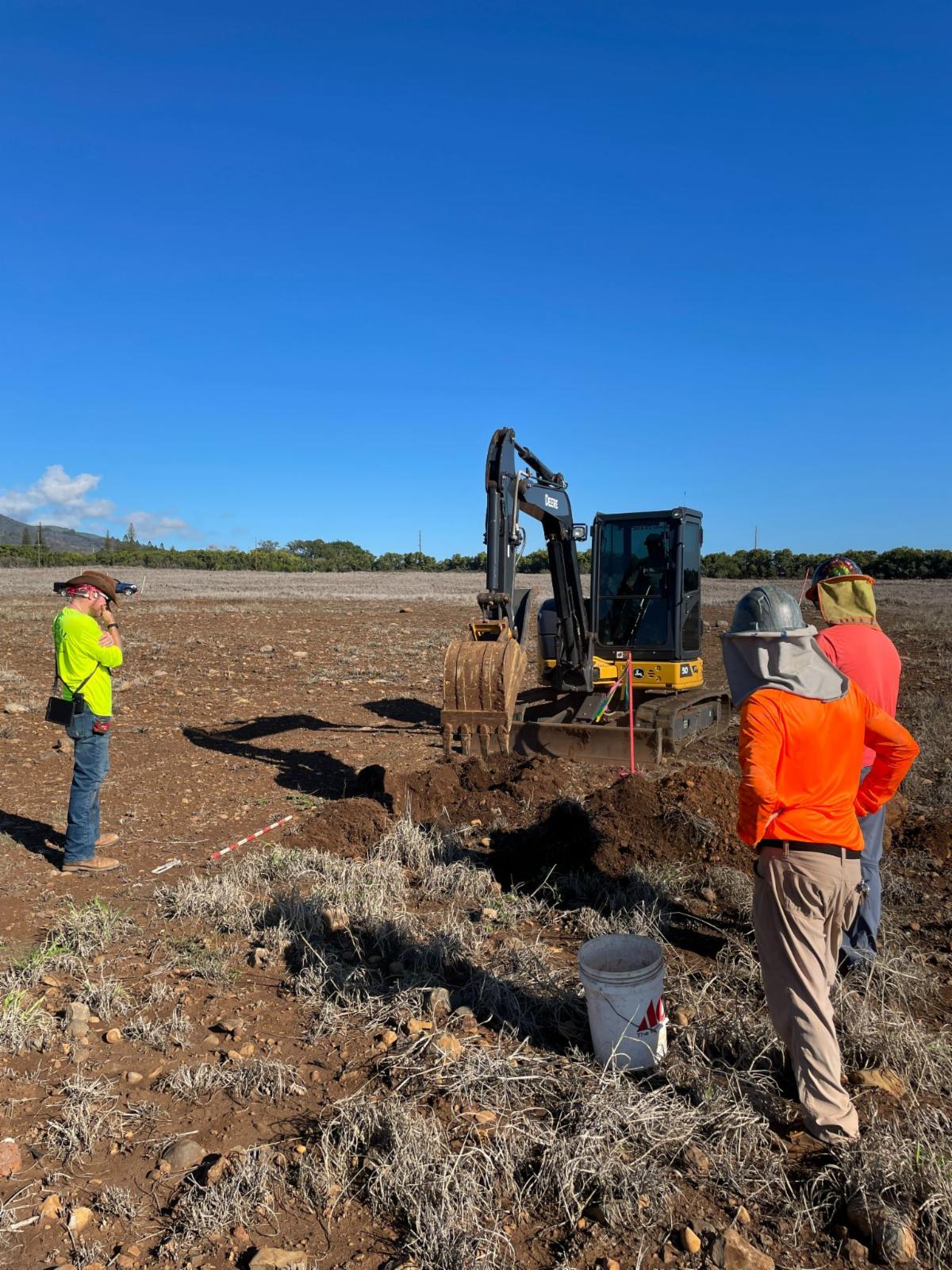
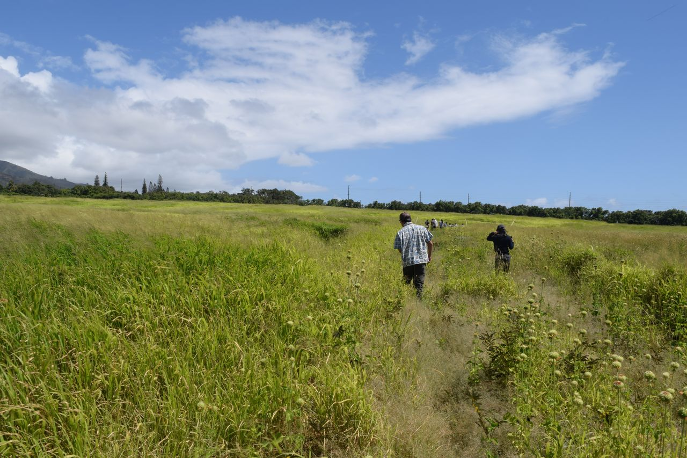
Before design can proceed in earnest, the project team must understand what lies beneath the ground. For the New Central Maui School, that work is largely complete. A geotechnical survey conducted by Hawaii Geotechnical Consulting included ten test pits across the site, revealing shallow alluvial soils and evidence of historic water flow consistent with the area's agricultural past. Critically, archaeological monitors from CSH were present throughout, and no cultural resources were identified. A separate hazmat survey, focused on arsenic and heavy metals given the land's prior farming use, was also completed, with results confirming site safety for students and construction crews. The findings reflect thorough, responsible pre-design practice and give the team a solid foundation as they advance through Schematic Design. The full archaeological monitoring report will be shared with the Cultural Working Group upon formal submission.
The Draft Environmental Assessment continues to advance and is in its final stages of preparation. The project team is currently incorporating the latest visual materials, including updated site plans and building elevations. Once these final design elements are integrated, SFA will submit the comprehensive DEA to the State Environmental Review Program.
Importantly, our submission will include an Anticipated Finding of No Significant Impact (FONSI), reflecting our commitment to responsible planning. reflecting the project's thoughtful approach to planning, environmental analysis, and design. An anticipated FONSI indicates that, based on the studies completed to date, the project is not expected to result in significant environmental impacts.
Following submission, the Draft Environmental Assessment will be published in the State's Environmental Notice for public review.
Community engagement is built into the DNA of this project, and we want you involved. The project team presented to the Waikapū Community Association at their June 8th membership meeting -- our second appearance before the WCA, honoring our commitment to open, ongoing dialogue with the neighbors closest to the site. The presentation covered design progress, process, and timeline, with time for questions from members.
Looking ahead, we have two more opportunities on the calendar. In August, find us at Wailuku First Friday, where we'll have displays, project visuals, and team members on hand -- a casual chance to see where things stand and ask questions. Then in early Fall, we're planning a Community Open House (details to be announced) for a more in-depth look at the design as it continues to take shape.
We'll keep you posted as details are confirmed.
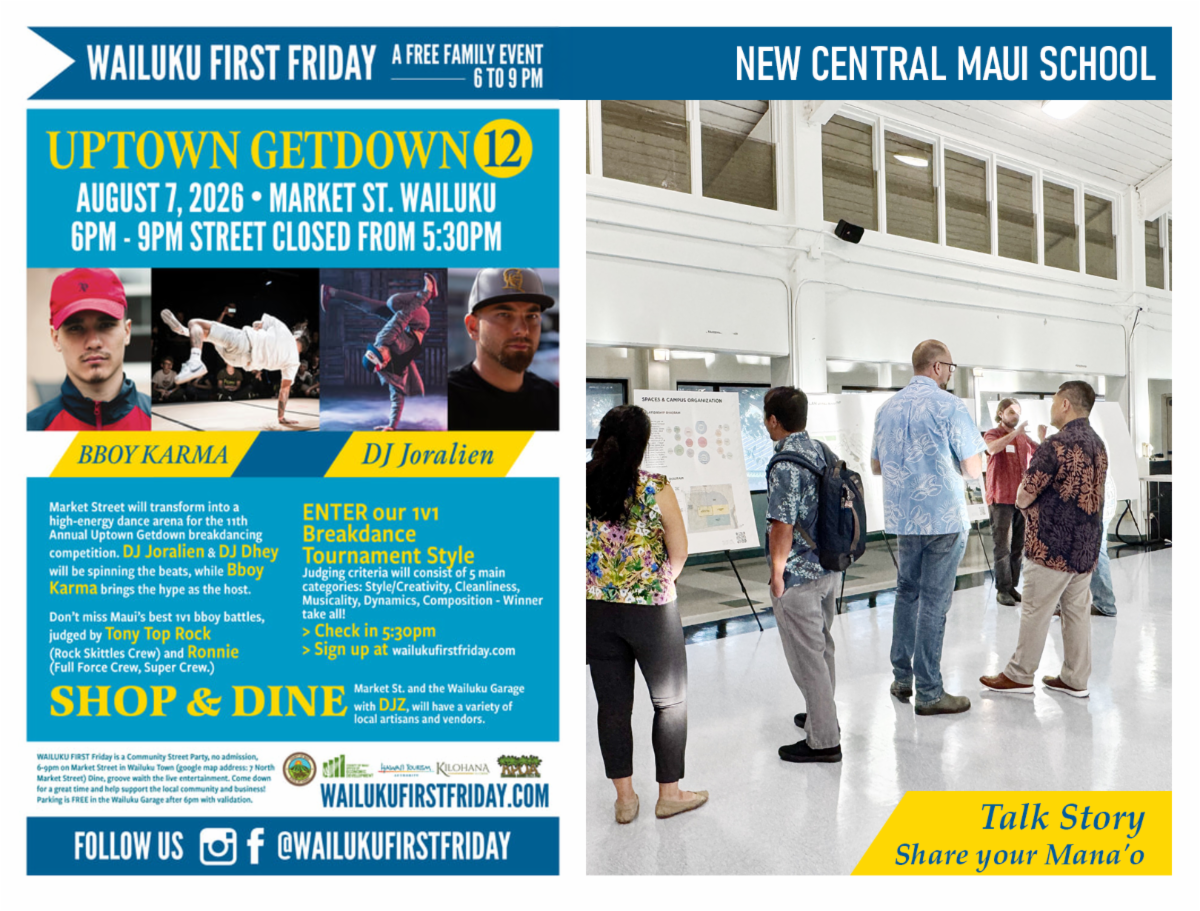
Stay Engaged and Share your Mana‘o
Open communication remains a priority. We want to continually encourage our community to stay involved, informed, ask questions, and share your thoughts as the project progresses. Your mana‘o helps guide decisions, point out additional viewpoints, and strengthens a school rooted in place, culture, and community.

2759 S. King Street, Room H201, Honolulu, Hawai‘i 96826
www.hisfa.org